
Discover the Meaning of the U.S. Flag: A Symbol of Freedom and Patriotism
In this article
The U.S. flag, often known as the “Stars and Stripes,” “Old Glory,” or the “Star-Spangled Banner,” is more than just a national emblem. It embodies the history, values, and spirit of the American people. Understanding its significance offers a deeper insight into American culture and patriotism, especially if you’re considering studying in the USA.
The Structure and Symbolic Meaning of the Flag
The U.S. flag features a unique design with deeply meaningful elements:
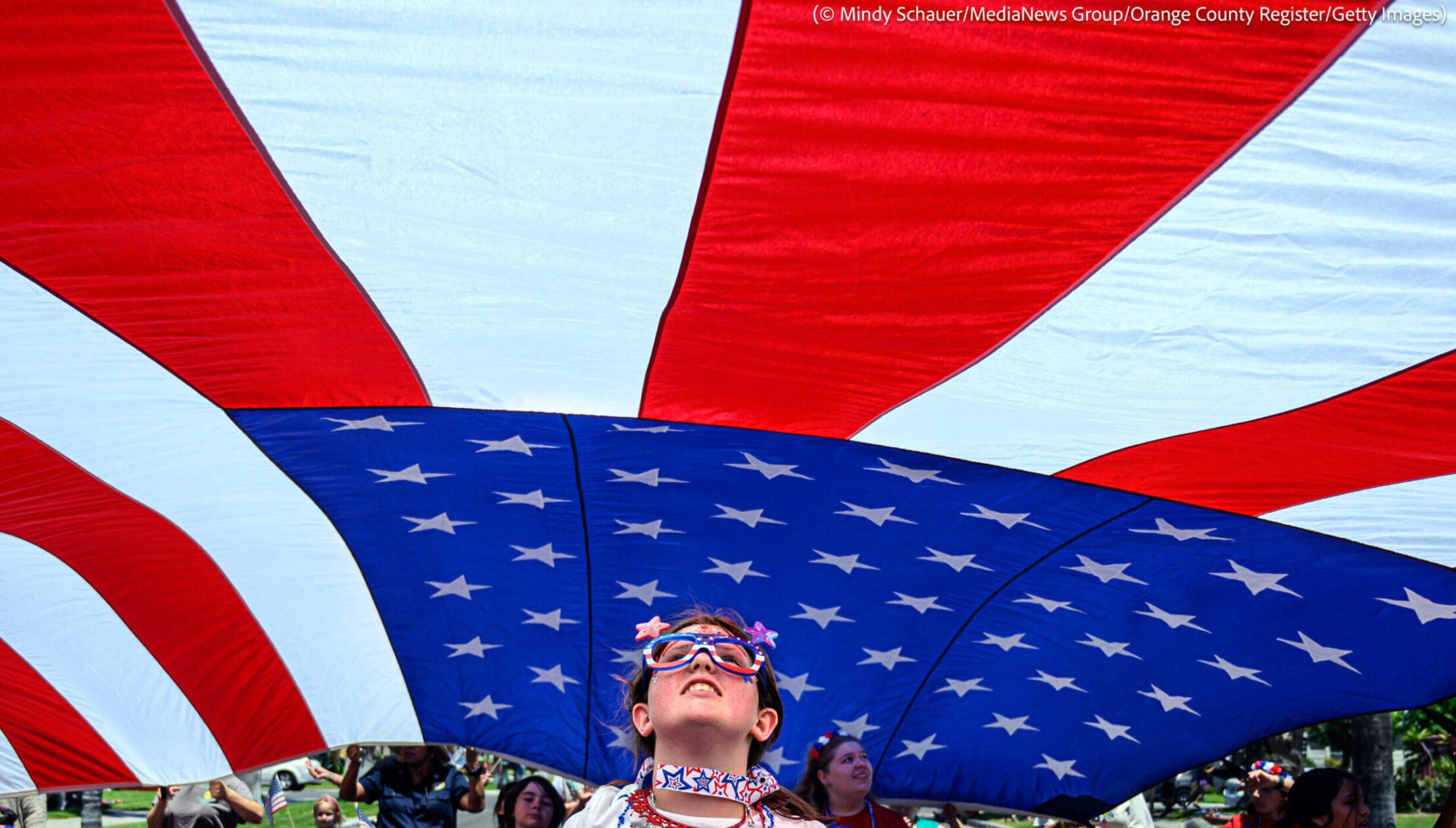
- 13 Horizontal Stripes: These represent the original 13 colonies that declared independence from Great Britain, forming the foundation of the United States. The alternating red and white stripes symbolize courage, resilience, and sacrifice (red), and purity and innocence (white).
- 50 Stars: Each star on the deep blue background (also called the “union” or “canton”) represents one of the 50 states of the United States. The number of stars has changed over time as new states joined the union. The blue color on the flag signifies vigilance, perseverance, and justice.
Looking at the flag isn’t just seeing a symbol; it’s seeing a historical narrative about the formation and development of a nation.
When and Where the Flag Flies
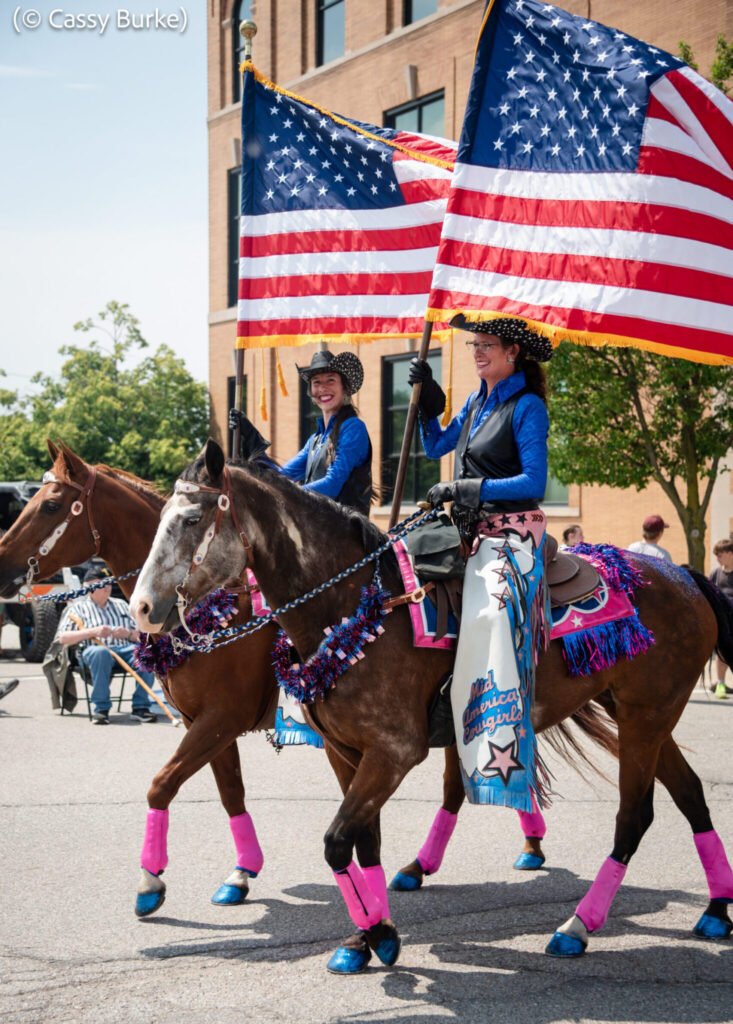
The U.S. flag is regularly displayed in many locations, signifying national pride:
- Government Buildings: From the White House and Capitol Hill to federal courthouses and state/local government agencies, the flag is always proudly flown.
- Schools and Businesses: Many schools and businesses also display the flag as part of their daily routine or on special occasions.
- Private Homes: Many American families display the flag outside their homes, especially on major holidays.
There are strict protocols for how the flag should be displayed and lowered, as well as how it should be cared for, reflecting the deep respect for this national symbol.
The Flag on Major Holidays and Special Occasions
The U.S. flag receives particular attention and honor on significant holidays:
- Independence Day (July 4th): On this day commemorating the Declaration of Independence, the flag is displayed everywhere, embodying the spirit of freedom.
- Veterans Day: Honoring those who have served in the armed forces.
- Memorial Day: Remembering fallen service members. On this day, the flag is typically flown at half-staff until noon, then raised to full staff for the remainder of the day.
- Flag Day (June 14th): Commemorating the official adoption of the U.S. flag in 1777.
- Major sporting events, national celebrations, and moments of historical significance.
On these days, flying the flag is not just about following regulations; it’s an act of patriotism and a demonstration of the unity of the American people.
Gain Deeper Insights into American Culture with VNIS Education
Understanding national symbols like the U.S. flag is a crucial part of exploring American culture and society. VNIS Education not only helps you open the door to your study abroad journey but also provides valuable insights into American life, culture, and its people, helping you confidently integrate into your new environment.
Let VNIS Education accompany you on your path to studying in the USA, from choosing the right school and preparing your application to gaining a profound understanding of the country and its people. Contact us today for dedicated and professional guidance!
Related articles

US President Visits Vietnam: Strengthening the Friendship Between Two Countries
Trending Artificial Intelligence Majors to Study

Tips to Write a Personal Statement for U.S. College Application

Why You Should Choose Aviator College in Florida for Your Pilot Training

Study Aviation at Embry-Riddle Aeronautical University: The Top Reasons to Pursue Your Wings

Why Study in America?
Ready to start your journey?
Leave your details - our team will tailor a free plan for you.
Get free consultation