U.S. Student Visa Delays: Short-Term Hurdles, Long-Term Dreams!
Are you feeling concerned about recent U.S. student visa appointment delays? At VNIS Education, we understand your apprehension, but we want to assure you that these setbacks are temporary and short-term. Don’t let them deter your serious plans for studying in the United States!
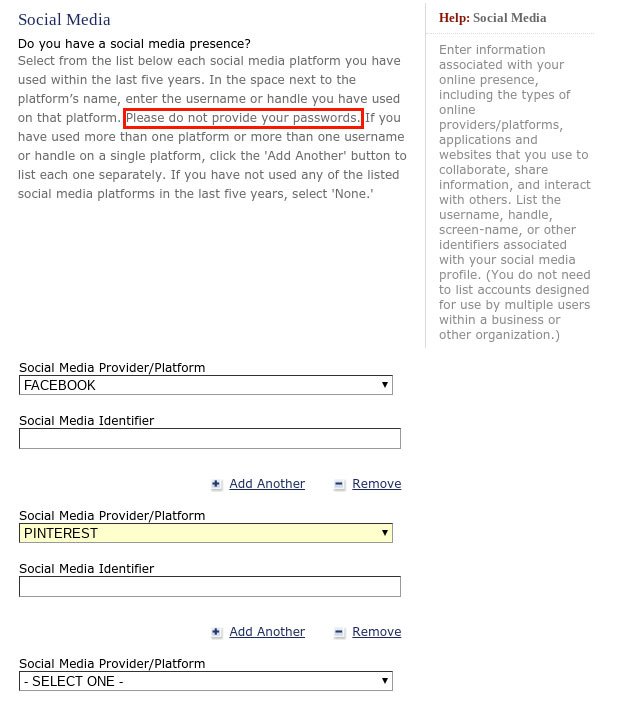
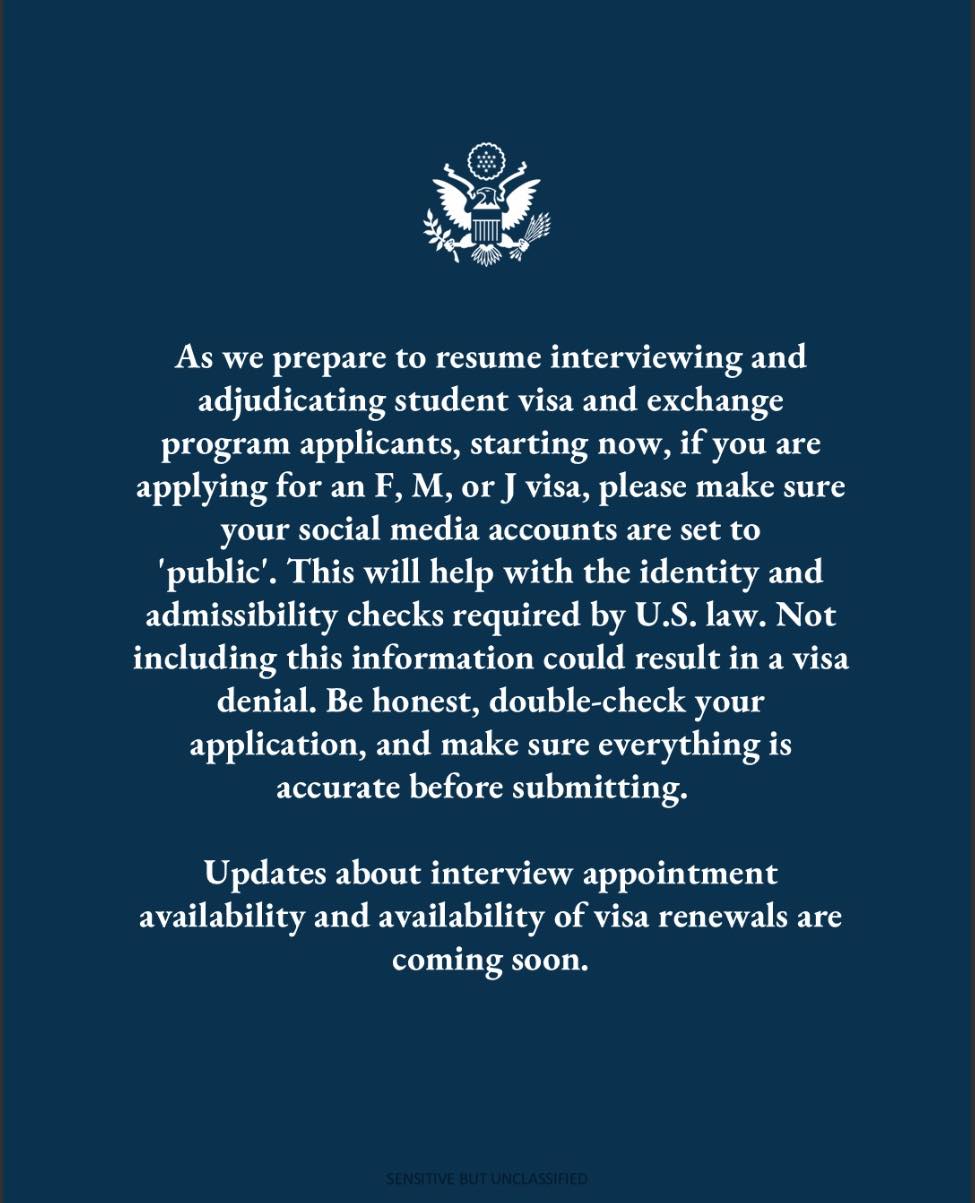
The U.S. Embassies and Consulates simply require more time to meticulously review information, especially the social media links applicants provide on their DS-160 forms. This practice of requesting social media details on the DS-160 has been in place for years. It signifies a diligent, not restrictive, approach to ensuring security and transparency in the visa process.
Social media handles are required for several years on your DS-160 application.
So, if you’re a dedicated student with a genuine desire to pursue higher education in the U.S., and you are committed to adhering to both U.S. and Vietnamese laws, you should confidently plan your study abroad journey, submit your applications, and prepare for your visa interview as soon as possible.
Key Requirements for a U.S. Student Visa (F-1 Visa)
To secure a U.S. student visa and be considered a “bona fide” student, you generally need to demonstrate that you are a legitimate student pursuing a full course of study, possess sufficient funds to support yourself, and intend to return to your home country after your studies. You must also be accepted into a SEVP-certified school and hold a valid passport.
Here’s a detailed breakdown of the requirements:
1. Acceptance into a SEVP-Certified School
You must receive an acceptance letter from an educational institution in the U.S. that is certified by the Student and Exchange Visitor Program (SEVP). Upon acceptance, you will be issued a Form I-20 (Certificate of Eligibility for Nonimmigrant Student Status), a crucial document for your visa application.
2. Bona Fide Student Intent
You need to prove your genuine intention to study in the U.S. and not use the visa for other purposes. This involves having a clear academic goal and committing to a full course of study. It’s essential that you do not plan to work or reside permanently in the U.S. once your visa expires.
3. Sufficient Financial Support
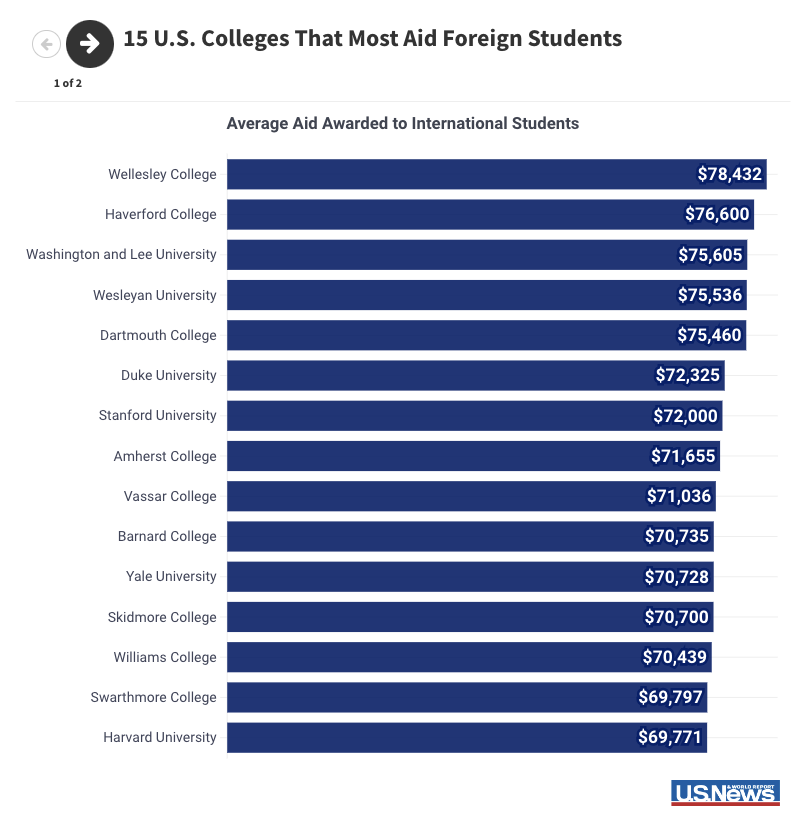
You must provide evidence that you have enough funds to cover your tuition, fees, living expenses, and all other related costs for the entire duration of your studies. Common proofs include bank statements, scholarship letters, financial aid offers, or documentation from a sponsor. You’ll likely need to demonstrate coverage for at least one year’s expenses.
4. Intention to Return to Your Home Country
You must convince the consular officer that you intend to return to your home country after completing your studies. This can be shown through strong ties to your home country, such as family, employment prospects, or property ownership.
5. Other Essential Requirements
- Valid Passport: Your passport must be valid for at least six months beyond your intended stay in the U.S.
- DS-160 Application: Complete the online Nonimmigrant Visa Application (Form DS-160) and print the confirmation page.
- SEVIS Fee Payment: Pay the Student and Exchange Visitor Information System (SEVIS) fee (Form I-901).
- Medical Examination: You might be required to undergo a medical examination as part of the visa application process.
- English Proficiency: Depending on your chosen program, you may need to demonstrate sufficient English proficiency.
At VNIS Education, we’re dedicated to guiding you through every step of your U.S. study abroad journey. Our experienced consultants provide personalized support, ensuring your application is meticulously prepared, transparent, and accurate, giving you the confidence to ace your visa interview.
Don’t let short-term uncertainties overshadow your long-term aspirations. Contact VNIS Education today for expert guidance and to embark on your American education dream!
Related articles
H-1B Proclamation: Navigating Visa Challenges to Seize Your U.S. Study Abroad Opportunity
URGENT UPDATE: US Visa Interview Waiver Policy Changes from September 2, 2025
Important Announcement Regarding U.S. Student & Exchange Visitor Visa Interviews
Hot News: U.S. Student Visa Interview Scheduling is OPEN AGAIN!
15 U.S. Colleges That Offer the Most Financial Aid to International Students
Cushing Academy visited our HCMC Office
Ready to start your journey?
Leave your details - our team will tailor a free plan for you.
Get free consultation