
Bypass TOEFL, GRE, GMAT: Unlock Your U.S. Graduate School Dreams with VNIS Education

Are you dreaming of pursuing a master’s or Ph.D. in the U.S. but worried about standardized tests like TOEFL, GRE, or GMAT? The good news is that a growing number of top universities in the United States are becoming more flexible with their admission policies, opening doors for students to potentially bypass these requirements. VNIS Education will help you delve deeper into how you can gain admission to prestigious graduate programs without these certificates!
Why Are U.S. Universities Waiving Standardized Test Requirements?
The trend of waiving TOEFL, GRE, and GMAT requirements is becoming increasingly common. Universities recognize that test scores aren’t the only measure of academic potential and student success. Instead, they seek a more holistic view of applicants through other factors. This is particularly beneficial for international students, helping to reduce pressure and barriers in the application process.
Common Types of Waivers
There are several ways you might be eligible to bypass these standardized tests:
English Proficiency Test Waivers (TOEFL/IELTS)
For international students, demonstrating English proficiency is usually mandatory, but it doesn’t always have to be through TOEFL or IELTS:
- Conditional Admissions Programs: Some universities, like the University of Delaware, offer programs that allow academically qualified students who haven’t met the English proficiency requirement to participate in preparatory language courses.
- Country-Specific Waivers: Some schools may waive English language requirements for applicants from countries where English is an official language (e.g., Ghana, Liberia).
- Alternative Tests: Other tests like the Duolingo English Test or high SAT/ACT scores may be accepted as substitutes.
- In-Person Interviews: Some programs might accept an interview with the admissions committee in lieu of an English proficiency certificate.
- Graduation from English-Taught Institutions: If you’ve graduated from a university where the primary language of instruction was English (e.g., in the U.S., Canada, UK, Australia, etc.), you will typically be exempt from this requirement.
GRE/GMAT Waivers
GRE (for general master’s/Ph.D. programs) and GMAT (for business programs like MBA) requirements are also becoming more flexible:
- Relevant Professional Work Experience: This is a top priority. Many MBA programs, especially Online MBA or Executive MBA programs, will waive the GMAT/GRE for applicants with 3-5+ years of relevant work experience and a strong track record. Universities like the University of Redlands, University of Delaware, Rice Business, and certain programs at MIT Sloan, Johns Hopkins, DePaul University have adopted this policy.
- High Undergraduate GPA: Some programs may waive GRE/GMAT if you have a high undergraduate GPA (often 3.0/4.0 or higher) and a degree from a reputable university.
- Prior Graduate Degree: If you have already completed a master’s or doctoral degree (e.g., JD, MD, PhD), universities might waive the standardized test requirements.
- Professional Certifications: Professional certifications such as CPA, CFA, or other specialized qualifications may be considered.
- Quantitative Aptitude through Coursework/Experience: If you have demonstrated strong quantitative skills through your undergraduate coursework or work experience, you might also qualify for a waiver.
Important Considerations When Bypassing Tests
While universities may waive GMAT/GRE/TOEFL, it doesn’t mean you should neglect other parts of your application. Instead, you need to ensure these elements truly stand out:
- Strong Academic Record: A high GPA and impressive academic achievements.
- Quality Work Experience: Ensure your experience is relevant and demonstrates professional growth.
- Outstanding Personal Statement/Essays: This is your chance to tell your story, explain your goals, and illustrate why you’re a great fit for the program.
- Powerful Letters of Recommendation: Choose recommenders who can speak genuinely about your abilities, work ethic, and potential.
- Impressive Resume/CV: Highlight relevant accomplishments and experiences.
- Interview: Prepare thoroughly for any interviews (if applicable), as this is an opportunity to showcase your personality and fit with the program.
Sometimes, submitting a good GRE/GMAT score (even if not required) can still strengthen your application, especially if your GPA isn’t exceptionally high or you want to compete for valuable scholarships.
Are you looking to explore U.S. graduate programs that don’t require TOEFL, GRE, or GMAT?
Let VNIS Education help you build a perfect study abroad profile and find the most suitable programs for you! Contact us today for in-depth graduate school admissions counseling!
Contact VNIS Education for expert graduate study abroad advice!
Related articles

UMass Dartmouth's Gateway Program: start your degree at IELTS 5.0-5.5, and earn credit while you do

Texas State University: 200+ programmes between Austin and San Antonio, with a no-IELTS route
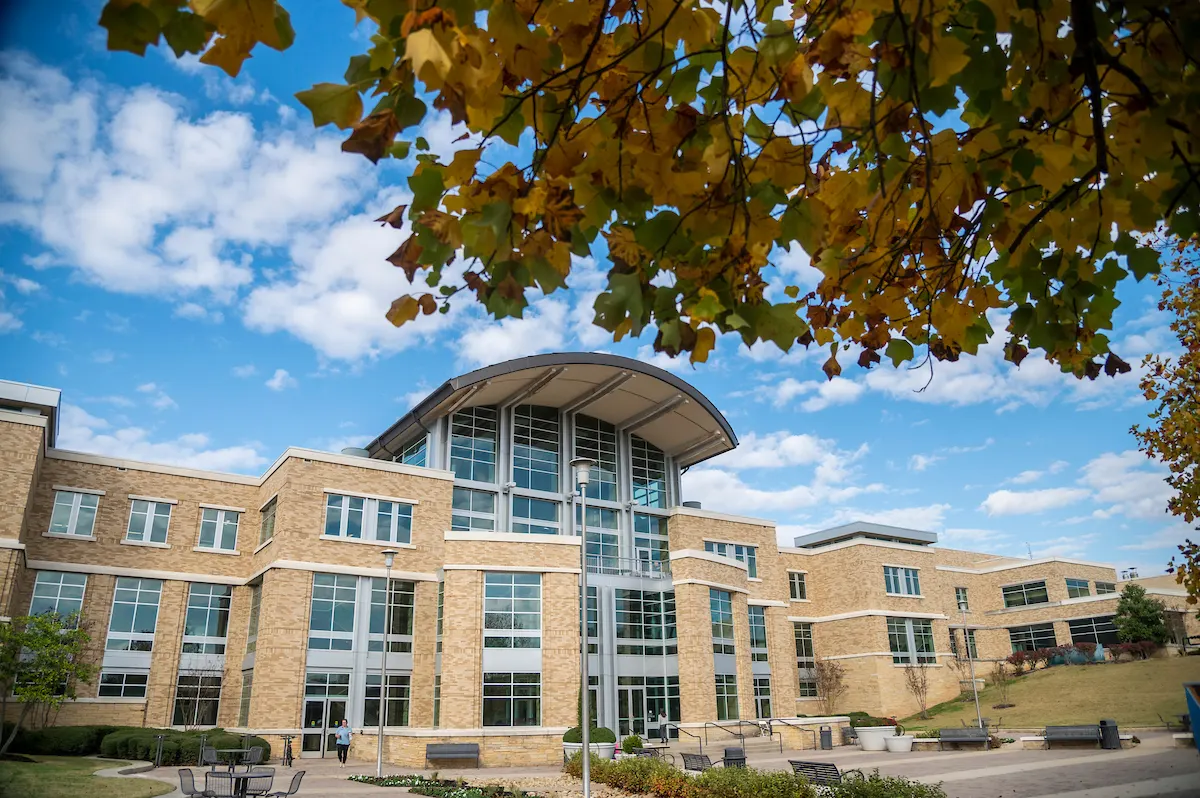
Arkansas State University: under US$30,000 all-in per year, and a route in without IELTS
University of North Alabama: study English online from home, then enter the degree
Paying Tuition Fees via Flywire with Optimal Exchange Rates

H-1B Proclamation: Navigating Visa Challenges to Seize Your U.S. Study Abroad Opportunity
Ready to start your journey?
Leave your details - our team will tailor a free plan for you.
Get free consultation