
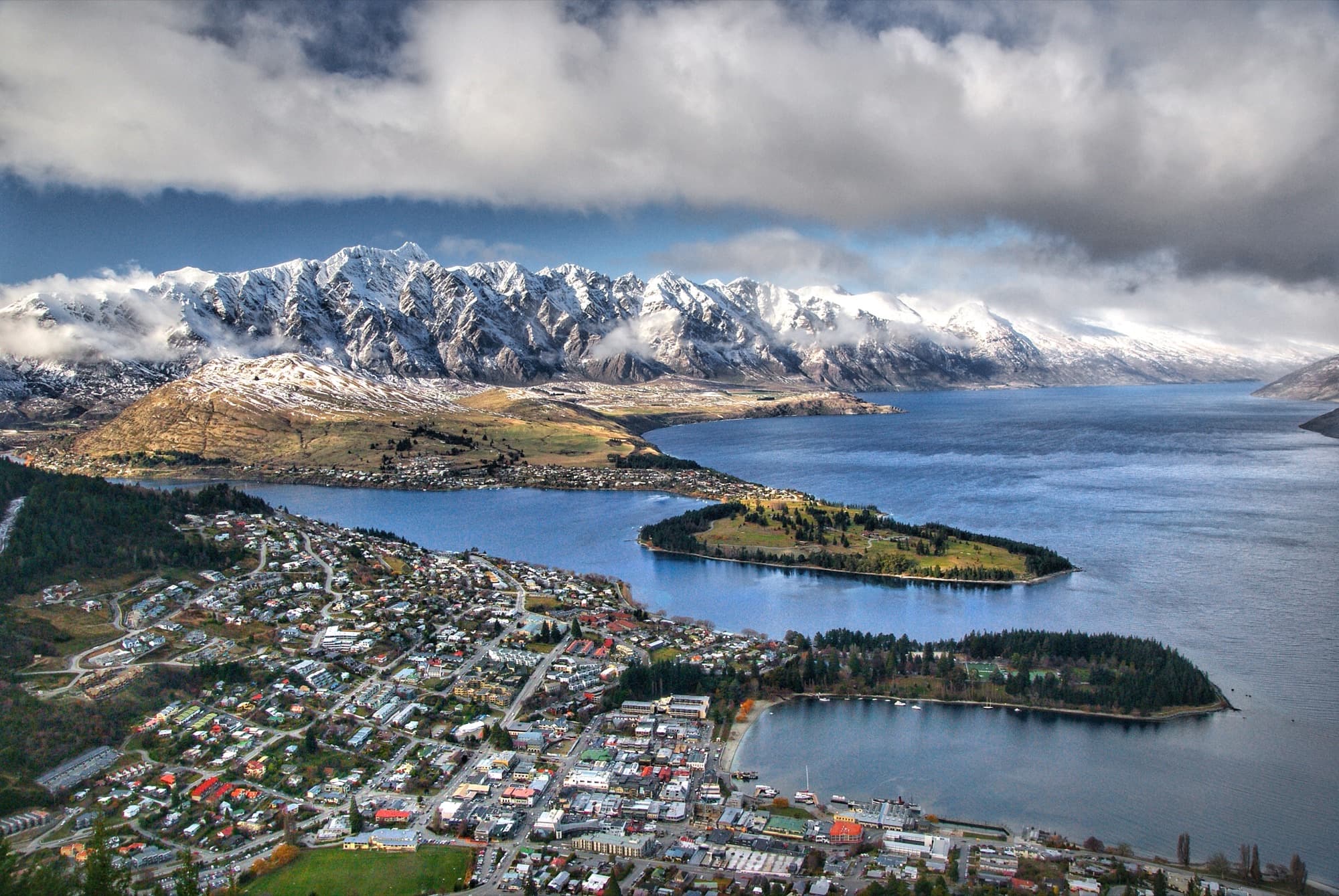
Study in New Zealand
Eight universities, all public - student protection written into law
New Zealand has eight universities and every one of them is a public, state-funded institution, so there is no public-versus-private judgement call to get wrong. Every qualification sits at a defined level on the national NZQF framework administered by NZQA, and every provider enrolling international students must comply with a legally binding Pastoral Care Code of Practice. VNIS guides you from choosing a programme through to the student visa.
Advantages of studying in New Zealand
No public-versus-private gamble
All eight universities are state-funded institutions - quality does not depend on whether you recognise the name.
Student welfare written into law
The Pastoral Care Code of Practice 2021 makes providers accountable for accommodation, safety and wellbeing of international learners, with NZQA enforcing it.
Qualifications with a fixed address
Every award sits at a specific NZQF level, so its standing can be checked against Vietnamese or third-country systems rather than taken on trust.
A route to stay after graduation
The Post Study Work Visa is issued by Immigration New Zealand; eligibility and duration depend on your level and field - VNIS checks the rules current at the time you apply.
System, applications & visas
The education system
Eight public universities: Auckland, AUT, Waikato, Massey, Victoria University of Wellington (Te Herenga Waka), Canterbury, Lincoln and Otago.
Vocational and applied study runs through institutes of technology and polytechnics (ITPs) and Private Training Establishments (PTEs) - all of which must be registered with NZQA.
Secondary schooling follows the NCEA qualification; many state secondary schools enrol international students.
Main intakes are February and July, with some programmes offering additional start dates.
What to ask that few people mention
The Pastoral Care Code of Practice 2021 is a legal instrument, not a marketing promise made by the provider.
Providers must operate a complaints process; where it fails, learners can escalate to NZQA or iStudent Complaints.
Ask any provider for the NZQF level of the programme you are considering - that number determines what your qualification is actually worth.
Visas and life after graduation
Study visa: the Fee Paying Student Visa, issued by Immigration New Zealand (INZ).
After graduation: the Post Study Work Visa, with eligibility tied to your qualification level, field and where you studied; the settings change from time to time.
Work rights during study are set by INZ and have been amended more than once - check immigration.govt.nz for the rules in force when you apply, or let VNIS verify them for you.
Costs
Tuition varies substantially between universities, ITPs and PTEs, and between disciplines within one institution.
Living costs in Auckland and Wellington run higher than in smaller cities such as Dunedin or Palmerston North.
VNIS checks the tuition and financial-evidence requirements current for the specific institution and intake you choose, rather than quoting one blanket figure that has already aged.
Institutions in New Zealand
That is every university in New Zealand - all eight are publicly funded. Alongside them sit the ITP and PTE providers for vocational and applied programmes. VNIS advises on fit and handles applications to each institution's requirements.
Why study in New Zealand?
For most destinations, the hardest question a family asks is whether an institution will genuinely look after their child - and the answer usually comes from the institution itself. New Zealand answers it in legislation: the Pastoral Care Code of Practice obliges every provider enrolling international students to take responsibility for accommodation, safety and wellbeing, with an independent complaints route when they fall short.
Having all eight universities publicly funded removes a familiar risk too: families do not have to work out which institutions are substantial and which are recently opened private ventures. Every qualification sits at a stated NZQF level, so its value can be looked up rather than believed.
The trade-off is scale. New Zealand is a small market with fewer institutions than the USA or Australia, and not every discipline has a deep set of options. If your field is better served elsewhere, VNIS will say so rather than steer you into a programme simply because it exists here.
No articles yet for New Zealand
Coverage for this destination is being written. In the meantime, these three routes answer the question you came with.
Ready to study in New Zealand?
Leave your details and our team will tailor a plan - completely free.
Request consultation