

Study in the USA
World-class universities, global career pathways
The United States offers a flexible education system with 4,000+ institutions, generous scholarships and OPT/STEM pathways to work after graduation. VNIS guides you from school selection and scholarships to applications and the F-1 visa.
Advantages of studying in the USA
Top-ranked universities
Ivy League, THE/QS top 100 and thousands of options for every budget.
Generous scholarships
Merit and need-based awards up to full tuition for strong profiles.
OPT / STEM
Work 12 months after graduation - up to 36 months for STEM majors.
F-1 visa support
Interview coaching, financial-document review and consulate-ready paperwork.
Institution types, the F-1 route and what happens after graduation
Four thousand institutions, and no ranking that fits everyone
The US has over 4,000 degree-granting institutions, and they are different in KIND, not merely in rank. Reading a single league table is the most common way to choose badly.
Research universities: large first-year classes, faculty who both teach and research, many majors and laboratories.
Liberal arts colleges: often under 3,000 students, small classes, professors teaching first-years directly, little or no graduate provision. Several are harder to enter than famous large universities.
Community colleges: two years, then TRANSFER into the third year of a four-year university under an articulation agreement. This is a standard route, not a lesser one, and it cuts the cost of the first two years sharply.
Check before anything else: is the institution regionally accredited by a body recognised by the US Department of Education? Credits from an unaccredited institution generally transfer nowhere.
Questions worth asking that rarely get answered
Is this programme STEM-designated? It is the single most valuable question in the application: only programmes whose CIP code sits on the STEM list qualify for the 24-month OPT extension. Two similarly named degrees at two universities can differ on this.
How does the university treat international financial aid - need-blind, need-aware, or merit only? Need-aware means the amount you ask for can affect the admission decision itself.
How many transfer credits are accepted, and what AP score converts to credit rather than just placement? The same score is credit at one institution and placement at another.
Does the programme still require standardised tests? Many remain test-optional, but optional is not the same as ignored - a strong score still helps.
Is on-campus housing guaranteed for international first-years, and is the university health plan compulsory?
The I-20, SEVIS and the interview
The sequence is fixed: receive the offer and the Form I-20 issued by the university, pay the SEVIS I-901 fee, complete the DS-160, then book and attend the consular interview.
The I-20 comes from the UNIVERSITY, not the consulate, and only SEVP-certified institutions can issue one.
What the consular officer is actually assessing is section 214(b) of the Immigration and Nationality Act: nonimmigrant intent - that you intend to return home after your studies. Answer consistently with what your file already says, and be able to explain why this programme at this university.
Funding must cover at least the first academic year and its source must be explainable. A balance that appears days before the interview invites scrutiny.
A refusal is not a permanent bar; you may reapply, but with something materially new rather than the same file resubmitted.
The sticker price is not the price
Published tuition and what families actually pay diverge widely. Under federal law every US institution receiving federal student aid must publish a Net Price Calculator - use it before ruling a university out on headline tuition.
Public universities charge international students the out-of-state rate, which is materially higher than the in-state rate.
Merit aid follows academic record and profile; need-based aid follows family circumstances and usually requires a separate form such as the CSS Profile.
Graduate study works differently: assistantships commonly carry a tuition waiver plus a stipend. This is the largest funding channel in the US system and it has no undergraduate equivalent.
Current tuition, visa fee and SEVIS fee figures are kept in the cost calculator with the date each was last verified - see /en/tools/cost/.
Working during and after study
During term, F-1 students may work ON CAMPUS within an hour limit. Off-campus work requires authorisation in advance; holding the visa is not itself permission.
CPT (Curricular Practical Training) is training integral to the programme, authorised by the university.
OPT after graduation: 12 months for any field, plus a 24-month extension for STEM-designated programmes - up to 36 months in total.
After OPT, staying longer usually means moving to an H-1B work visa, and H-1B is allocated by LOTTERY. No employer can guarantee that step, so plan with that honestly in view.
Where to study in the USA
The list spans all three kinds: research universities, liberal arts colleges and community colleges with transfer pathways. Choose the KIND before the name - that decision shapes all four years.
Why study in the USA?
The real strength of the US system is not rank but structure. The first two undergraduate years are built for breadth before a major is declared, so a student who is not yet certain has time to find out. Changing major mid-degree is ordinary in the US and difficult in most other systems.
That same breadth is where choices go wrong. A student who thrives in a 15-person seminar at a north-eastern liberal arts college may struggle in a 400-seat lecture hall at a large public university - and both appear in the same rankings.
On staying after graduation: OPT gives 12 months, and 24 more for STEM fields, which is genuine time to work and build a record. The step after that - H-1B - is a lottery, and VNIS says so in the first consultation rather than letting a family discover it three years in.
VNIS works directly with partner institutions across the US and is an ICEF member. Our job is to verify tuition, aid, STEM designation and entry requirements for the exact programme and intake you are considering - and to be plain about the risks as well.
Articles about studying in the USA

UMass Dartmouth's Gateway Program: start your degree at IELTS 5.0-5.5, and earn credit while you do

Holy Trinity High School, Chicago: a four-year B-STEM Honors track, and two tuition figures worth understanding
Delphian School boarding costs for 2026-2027, and what to ask before you pay a deposit
Delphian School: a K-12 boarding school in Oregon with ten students per teacher
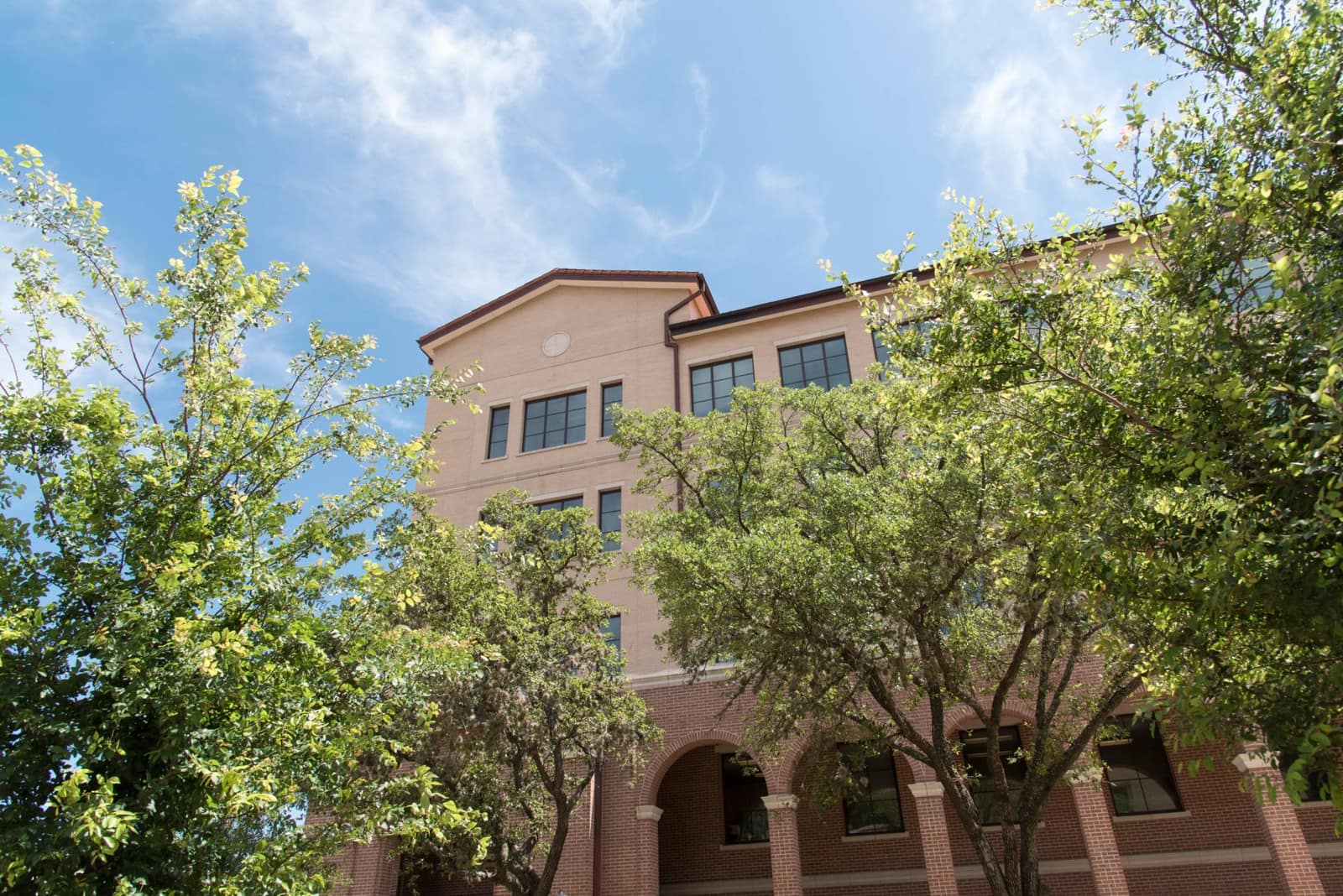
Texas State University: 200+ programmes between Austin and San Antonio, with a no-IELTS route
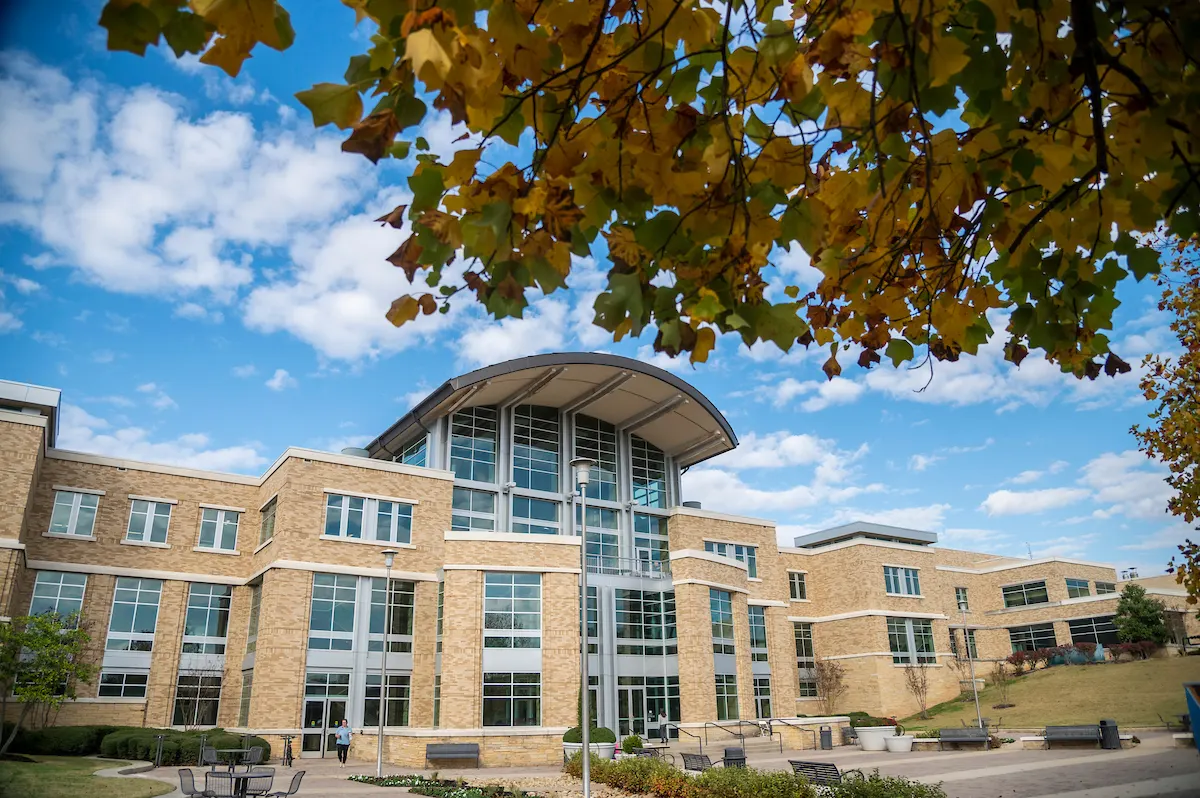
Arkansas State University: under US$30,000 all-in per year, and a route in without IELTS
Ready to study in the USA?
Leave your details and our team will tailor a plan - completely free.
Request consultation