
What Can and Cannot Be Brought into Australia: A Detailed Guide for International Students
Australia has stringent customs and biosecurity regulations designed to protect its unique environment and agricultural industries. For international students, understanding these rules is crucial to…
Australia has stringent customs and biosecurity regulations designed to protect its unique environment and agricultural industries. For international students, understanding these rules is crucial to ensure a smooth arrival and avoid potential issues at the airport. VNIS Education provides this comprehensive guide on what you can and cannot bring into Australia.
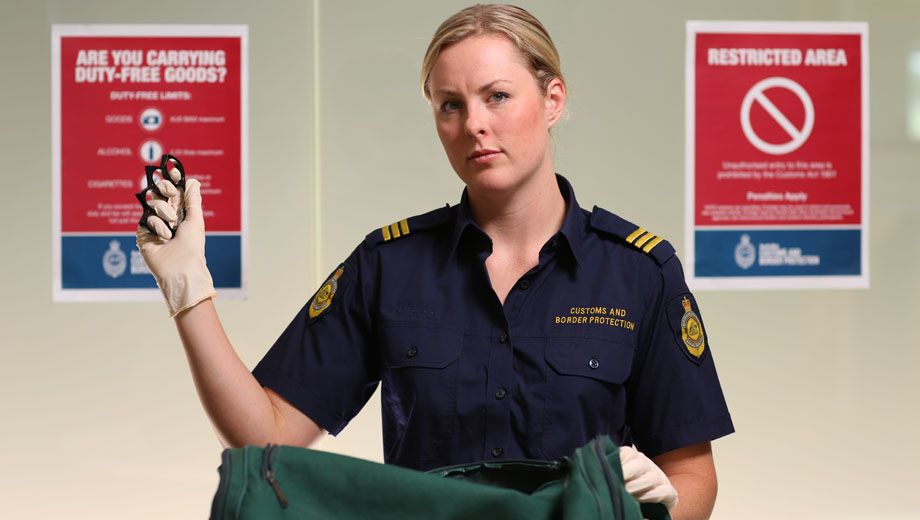
Why Are Australia’s Entry Regulations So Strict?
As an island continent, Australia boasts a distinctive ecosystem. Introducing foreign food, plant materials, or animal products carries a significant risk of bringing in pests, diseases, or invasive species that could severely harm Australia’s agriculture, environment, and public health.
Items You Must Declare Upon Arrival in Australia
When you arrive in Australia, you must declare on your Incoming Passenger Arrival Card if you are carrying any items from the following categories:
- All food, plant material, and animal items: This includes packaged foods, dried goods, spices, seeds, wooden articles, fur, leather, and dairy or egg products.
- Firearms, weapons, and ammunition: Any type of weapon must be declared and is subject to strict regulations.
- Currency of A$10,000 or more (or foreign equivalent): You are required to declare if you are carrying a large sum of money exceeding this amount.
- Certain types of medicines: Especially prescription medications or those containing controlled substances. It’s advisable to have a doctor’s letter or prescription in English if you are carrying such medications.
Our advice: If you are unsure about an item, always declare it or ask an Australian Border Force officer for guidance. Declaring goods does not automatically mean your luggage will be inspected, but failing to declare or making a false declaration can lead to serious consequences.
Items Absolutely Prohibited from Entering Australia
Certain items are strictly prohibited from being brought into Australia due to their high biosecurity risk:
- Fresh fruit and vegetables: All fresh produce is banned.
- Meat, poultry, pork: This includes fresh, processed, or canned products (unless you have a special permit).
- Eggs and dairy products: Except for infant formula and some specialized dairy products with a permit.
- Live plants or seeds: Any live plants, cuttings, bulbs, or seeds (unless you have an import permit).
- Illegal drugs: Substances such as marijuana, heroin, cocaine, and amphetamines are completely forbidden.
Important note: Australian customs officers frequently ask questions and use detector dogs trained to identify prohibited items.
Consequences of Not Declaring or Making a False Declaration
Failure to declare goods or providing incorrect information can lead to severe penalties, including:
- Fines of up to A$5,500.
- Cancellation of your student visa.
- Refusal of entry into Australia, potentially leading to immigration detention pending your departure.
VNIS Education’s Recommendations
To ensure a smooth and hassle-free journey as an international student, VNIS Education recommends:
- Thoroughly check your luggage: Make sure you haven’t accidentally packed any prohibited items.
- Declare truthfully: Always declare all high-risk items, even if you are unsure. It’s better to declare an item and have it confiscated than face severe penalties.
- When in doubt, leave it out: If you’re still uncertain about an item, it’s best not to bring it to avoid any risks.
For the most comprehensive and up-to-date list of what can and cannot be brought into Australia, please refer directly to the official sources:
- Australian Border Force website (search for “What can I bring into Australia”)
We wish you a safe and successful journey to Australia!
Need guidance? Talk to VNIS
Leave your details and our team will tailor a plan - completely free.
Get free consultation