US F1 Student Visa Interview in Vietnam: Essential Information
As the world becomes increasingly globalized, more and more Vietnamese students are seeking educational opportunities in the United States. The F1 student visa is a crucial step in this journey, allowing students to pursue their academic dreams in the US. However, the visa interview process can be daunting, especially for those unfamiliar with the requirements and cultural nuances. In this comprehensive blog post, we’ll explore the essential information you need to know as a Vietnamese student preparing for your US F1 visa interview.
Navigating the Visa Interview: Tips and Tricks for US F1 Students in Vietnam
Understanding the Interview Process
The US F1 visa interview is a critical component of the application process, and it’s essential to understand what to expect. The interview is typically conducted at the US Embassy or Consulate in Vietnam, and it’s designed to assess the applicant’s eligibility for the F1 visa. During the interview, the consular officer will ask a series of questions to determine the applicant’s:
- Academic qualifications and enrollment in a US educational institution
- Financial resources to cover the cost of tuition and living expenses
- Ties to Vietnam and the intention to return after completing their studies
It’s crucial to be prepared and to provide clear and concise answers to the questions asked during the interview.
Preparing for the Interview
Effective preparation is key to a successful F1 visa interview. Here are some tips to help you get ready:
- Research the US educational system and your chosen program: Familiarize yourself with the details of your intended program, such as the curriculum, tuition fees, and career prospects. This will demonstrate your genuine interest and commitment to your studies.
- Practice your English: The interview will be conducted in English, so it’s essential to be comfortable communicating in the language. Practice your conversational skills and be prepared to discuss your academic and personal background.
- Gather all required documents: Ensure that you have all the necessary documents, such as your passport, acceptance letter from the US institution, proof of financial resources, and any other supporting materials. Review the document checklist provided by the US Embassy or Consulate to ensure you have everything.
- Understand the purpose of the interview: The interview is not designed to trip you up or catch you off-guard. It’s an opportunity for the consular officer to understand your intentions and assess your eligibility for the F1 visa.
- Anticipate common questions: Research typical interview questions and practice your responses. This will help you feel more confident and prepared during the actual interview.
- Seek guidance from VNIS Education: VNIS Education is a trusted partner that can provide comprehensive support and guidance throughout the visa application process, including interview preparation.
By following these tips, you can increase your chances of a successful F1 visa interview in Vietnam.
Mastering the Interview Dynamics
The F1 visa interview is not just about providing the right information; it’s also about understanding the dynamics of the interaction. Here are some tips to help you navigate the interview effectively:
- Maintain a positive and confident attitude: Approach the interview with a positive mindset and convey your enthusiasm for your academic pursuits in the US.
- Listen carefully and respond directly: Pay close attention to the questions asked and provide concise, relevant responses. Avoid rambling or providing unnecessary information.
- Dress professionally: Wear appropriate attire that reflects your seriousness about your educational goals.
- Be honest and transparent: Provide truthful and accurate information. Consular officers are trained to detect inconsistencies or misleading statements.
- Respect the interviewer’s authority: Remember that the consular officer is the decision-maker, so be respectful and cooperative throughout the process.
By understanding the interview dynamics and adopting the right mindset, you can increase your chances of a successful F1 visa interview in Vietnam.
Ensuring a Successful Visa Interview: Common Mistakes to Avoid in Vietnam
While preparing for the F1 visa interview, it’s essential to be aware of common mistakes that can jeopardize your chances of success. Here are some pitfalls to avoid:
Lack of Preparation
One of the most common mistakes is failing to prepare adequately for the interview. This includes not researching the US educational system, not practicing your English, and not gathering all the required documents. Proper preparation demonstrates your seriousness and commitment to your studies.
Providing Inconsistent or Misleading Information
Consular officers are trained to detect inconsistencies in the information provided by applicants. It’s crucial to be truthful and consistent in your responses, as any discrepancies may raise suspicions and lead to a denial of your visa application.
Failure to Demonstrate Strong Ties to Vietnam
The consular officer needs to be convinced that you have strong ties to Vietnam and a genuine intention to return after completing your studies in the US. Failing to demonstrate these ties, such as family, employment, or financial obligations, can raise concerns about your intent to return to Vietnam.
Lack of Understanding about the US Educational System
Applicants who are not familiar with the US educational system or their chosen program may struggle to answer questions effectively during the interview. It’s essential to have a clear understanding of your program, its requirements, and your career goals.
Inappropriate Attire or Behavior
The way you present yourself during the interview can also impact the outcome. Wearing inappropriate attire or displaying a lack of respect or professionalism can create a negative impression and undermine your chances of success.
To avoid these common mistakes, it’s crucial to work closely with VNIS Education, which can provide comprehensive guidance and support throughout the F1 visa application process, including interview preparation.
Detailed Guide to the US F1 Visa Interview Process for Vietnamese Students
The US F1 visa interview process can be complex, but understanding the steps can help you navigate it more effectively. Here’s a detailed guide to the process:
Step 1: Schedule the Interview
The first step in the F1 visa interview process is to schedule an appointment at the US Embassy or Consulate in Vietnam. You can do this by visiting the embassy’s website and following the instructions for scheduling an interview. Be sure to select an available appointment slot that fits your schedule.
Step 2: Prepare the Required Documents
Before your interview, you’ll need to gather all the required documents. These typically include:
- Valid passport
- Completed and signed DS-160 form
- Confirmation of your SEVIS fee payment
- Acceptance letter or I-20 form from your US educational institution
- Proof of financial resources to cover tuition and living expenses
- Any other supporting documents, such as academic transcripts or evidence of strong ties to Vietnam
Review the document checklist provided by the US Embassy or Consulate to ensure you have everything you need.
Step 3: Attend the Visa Interview
On the day of your interview, arrive at the US Embassy or Consulate at least 30 minutes before your scheduled appointment time. Be prepared to undergo security screening and have your documents ready.
During the interview, the consular officer will ask you a series of questions about your academic background, financial resources, and your plans to return to Vietnam after completing your studies. It’s important to be honest and direct in your responses, and to demonstrate your strong ties to Vietnam.
Step 4: Receive the Visa Decision
After the interview, the consular officer will either approve or deny your F1 visa application. If your application is approved, you’ll receive your passport with the visa stamped inside. If your application is denied, the consular officer will provide the reason for the denial, and you may have the opportunity to reapply in the future.
Step 5: Understand the Next Steps
If your F1 visa application is approved, you’ll need to make arrangements to travel to the US and complete the necessary steps to enroll in your academic program. This may include obtaining a valid I-20 form, making tuition payments, and arranging for your travel and accommodation.
Throughout the F1 visa interview process, it’s crucial to work closely with VNIS Education, which can provide comprehensive guidance and support to ensure your success.
Cultural Considerations and Interview Etiquette for US F1 Visa Applicants from Vietnam
As a Vietnamese student applying for a US F1 visa, it’s important to be aware of cultural considerations and interview etiquette that can impact the outcome of your application. Here are some key factors to keep in mind:
Cultural Differences and Communication Styles
The US and Vietnam have distinct cultural norms and communication styles, which can influence the dynamics of the visa interview. For example, in Vietnamese culture, it’s common to be more indirect and reserved in communication, while American culture values more direct and assertive communication. Understanding these differences can help you adapt your communication style to the interview setting.
Maintaining Eye Contact and Body Language
In the US, maintaining eye contact and displaying confident body language are generally seen as signs of honesty and engagement. However, in Vietnamese culture, it’s more common to avoid direct eye contact, especially with authority figures. During the interview, try to find a balance between your cultural norms and the expectations of the consular officer.
Respect for Authority and Hierarchical Relationships
In Vietnamese culture, there is a strong emphasis on respect for authority and hierarchical relationships. During the visa interview, it’s important to show respect for the consular officer and their decision-making role, while also being confident and assertive in your responses.
Addressing the Consular Officer Appropriately
In Vietnamese culture, it’s common to address elders and authority figures using formal titles, such as “Mr.” or “Ms.” During the interview, make sure to address the consular officer using their appropriate title.
Demonstrating Confidence and Enthusiasm
While maintaining cultural sensitivity, it’s also important to demonstrate confidence and enthusiasm during the visa interview. This can be achieved by speaking clearly, maintaining good posture, and expressing your genuine interest in your academic program and your plans to return to Vietnam after completing your studies.
By understanding these cultural considerations and adapting your interview etiquette accordingly, you can increase your chances of a successful F1 visa interview in Vietnam.
Post-Interview Procedures: What to Expect After the US F1 Visa Interview in Vietnam
After the F1 visa interview, there are several important steps you need to be aware of. Understanding these post-interview procedures can help you navigate the process more effectively and ensure a smooth transition to your academic program in the US.
Receiving the Visa Decision
The consular officer will inform you of the decision on your F1 visa application immediately following the interview. If your application is approved, you’ll receive your passport with the visa stamp. If it’s denied, the consular officer will provide the reason for the denial.
Appealing a Visa Denial
If your F1 visa application is denied, you may have the opportunity to appeal the decision. The specific process for appealing a visa denial can vary, so it’s important to understand the requirements and deadlines set by the US Embassy or Consulate.
Obtaining the Visa
Once your F1 visa is approved, you’ll need to make arrangements to pick up your passport with the visa stamp. This may involve returning to the embassy or consulate or arranging for the passport to be mailed to you.
Entering the United States
With your F1 visa in hand, you can now make plans to travel to the United States. It’s important to note that the visa is not a guarantee of entry into the US; you’ll still need to go through immigration inspection at the port of entry.
Completing Enrollment at Your US Institution
After arriving in the US, you’ll need to complete the enrollment process at your academic institution. This may involve providing additional documents, attending orientation sessions, and finalizing your course registration.
Throughout the post-interview process, VNIS Education can provide valuable guidance and support to ensure a smooth transition to your studies in the US.
Top Reasons for Visa Denial and Strategies for US F1 Students from Vietnam
While the majority of F1 visa applications from Vietnamese students are approved, there are instances where applications are denied. Understanding the common reasons for denial and strategies to address them can help you better prepare for a successful visa interview.
Insufficient Ties to Vietnam
One of the most common reasons for F1 visa denial is the perceived lack of strong ties to Vietnam. Consular officers need to be convinced that you have a genuine intention to return to Vietnam after completing your studies in the US. Strengthening your ties to Vietnam, such as family obligations, employment, or financial assets, can help demonstrate your intention to return.
Lack of Adequate Financial Resources
Adequate financial resources to cover the cost of tuition, living expenses, and other related costs are crucial for F1 visa approval. If the consular officer is not convinced that you have the necessary funds, your application may be denied. Providing detailed financial documentation, such as bank statements, scholarship letters, or sponsorship letters, can help address this concern.
Doubts about Academic Qualifications or Intent
In some cases, the consular officer may have doubts about your academic qualifications or your genuine intention to pursue your chosen academic program in the US. Addressing these concerns by providing a detailed explanation of your academic background, your specific program of study, and your career goals can help alleviate these doubts.
Concerns about Overstaying the Visa
The consular officer may have concerns about the possibility of you overstaying your F1 visa and remaining in the US after completing your studies. Demonstrating strong ties to Vietnam and a clear intention to return can help address these concerns.
Inconsistencies or Inaccuracies in the Application
Any inconsistencies or inaccuracies in the information provided during the visa application process can lead to a denial. It’s crucial to ensure that all the information you provide is accurate and consistent across all the required documents.
To address these common reasons for denial, it’s essential to work closely with VNIS Education, which can provide comprehensive guidance and support throughout the F1 visa application process. By understanding the potential pitfalls and implementing effective strategies, you can increase your chances of a successful visa interview and secure your path to studying in the US.
Securing a US F1 Student Visa: The Importance of Strong Ties to Vietnam
One of the key factors that can influence the outcome of your F1 visa interview is the strength of your ties to Vietnam. Consular officers need to be convinced that you have a genuine intention to return to Vietnam after completing your studies in the US. Demonstrating strong ties to your home country can be a critical factor in securing your F1 visa.
Family Ties and Obligations
Your family relationships and obligations in Vietnam can be a powerful demonstration of your ties to the country. This includes providing evidence of your relationships with family members, such as parents, spouse, or children, and any financial or personal responsibilities you have towards them.
Employment and Professional Opportunities
Your current or future employment prospects in Vietnam can also strengthen your ties to the country. This can include providing information about your current job, a job offer upon your return, or any business ventures or entrepreneurial plans you have in Vietnam.
Educational and Academic Achievements
Your educational and academic achievements in Vietnam can also be used to demonstrate your ties to the country. This can include providing information about your academic records, awards, or any plans to return and contribute to the Vietnamese educational system.
Financial Assets and Investments
Your financial assets and investments in Vietnam can be another way to showcase your strong ties to the country. This can include bank statements, property ownership, or any other financial commitments you have in Vietnam.
Community Involvement and Social Ties
Your involvement in the local community, such as volunteer work, social clubs, or other community activities, can also help demonstrate your ties to Vietnam and your intention to return.
By emphasizing these various aspects of your life in Vietnam, you can effectively convey to the consular officer your strong ties to the country and your genuine intention to return after completing your studies in the US.
VNIS Education: Comprehensive Support for US F1 Visa Interview Success in Vietnam
Navigating the US F1 visa interview process can be a daunting task, especially for Vietnamese students who may be unfamiliar with the specific requirements and cultural nuances. However, with the right guidance and support, you can significantly increase your chances of a successful visa interview.
VNIS Education is a trusted partner that can provide comprehensive assistance throughout the entire F1 visa application process, including the all-important interview stage.
Personalized Guidance and Preparation
VNIS Education understands the unique challenges faced by Vietnamese students applying for the US F1 visa. Our team of experienced professionals can provide personalized guidance and support to help you prepare for the interview, including:
- Detailed understanding of the interview process and requirements
- Tailored coaching and practice sessions to enhance your communication skills
- Assistance in gathering and organizing all the necessary documents
- Advice on addressing common concerns and potential pitfalls
Cultural Sensitivity and Etiquette Training
As mentioned earlier, understanding the cultural differences and appropriate etiquette during the visa interview is crucial for success. VNIS Education can provide valuable insights and training to help you navigate these cultural nuances, ensuring that you present yourself in a manner that aligns with the expectations of the consular officer.
Post-Interview Support and Assistance
Even after the visa interview, VNIS Education’s support doesn’t stop. We can guide you through the post-interview procedures, such as obtaining the visa, preparing for your travel to the US, and completing the enrollment process at your academic institution.
Proven Track Record of Success
VNIS Education has a proven track record of helping Vietnamese students successfully navigate the US F1 visa application process, including the all-important interview stage. Our expertise and personalized approach have consistently helped our clients achieve their academic dreams in the United States.
By partnering with VNIS Education, you can be confident that you’re taking the necessary steps to maximize your chances of success in the US F1 visa interview process. Our comprehensive support and guidance can help you showcase your qualifications, address potential concerns, and present yourself in the best possible light to the consular officer.
Conclusion
Securing a US F1 student visa as a Vietnamese applicant requires careful preparation, attention to detail, and a thorough understanding of the visa interview process. By addressing common concerns such as strong ties to Vietnam, potential reasons for denial, and working with a trusted partner like VNIS Education, you can enhance your chances of a successful outcome.
Remember to demonstrate your genuine intention to return to Vietnam after completing your studies in the US, provide accurate and consistent information throughout the application process, and leverage your personal, academic, and professional achievements to strengthen your case.
With the right support and guidance, you can navigate the complexities of the US F1 visa interview with confidence and secure your pathway to pursuing your educational goals in the United States. Trust in VNIS Education to be your gateway to success in the US F1 visa application process and embark on your academic journey with assurance and readiness.
Resources:
Related articles
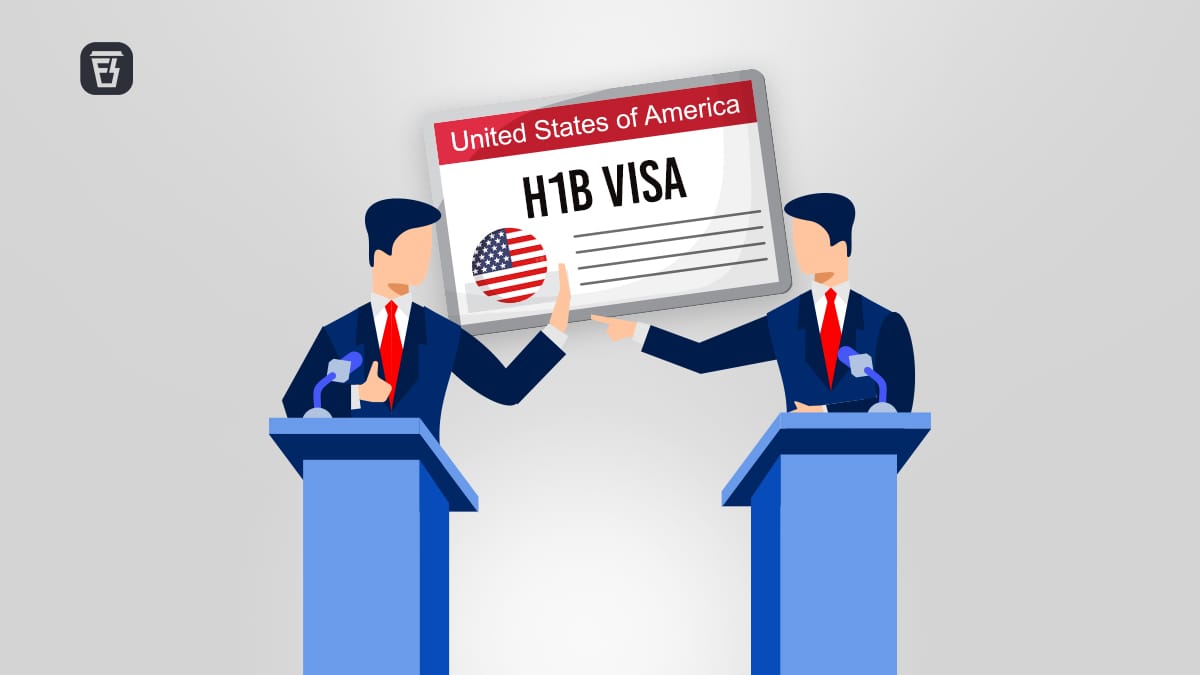
H-1B Proclamation: Navigating Visa Challenges to Seize Your U.S. Study Abroad Opportunity
URGENT UPDATE: US Visa Interview Waiver Policy Changes from September 2, 2025
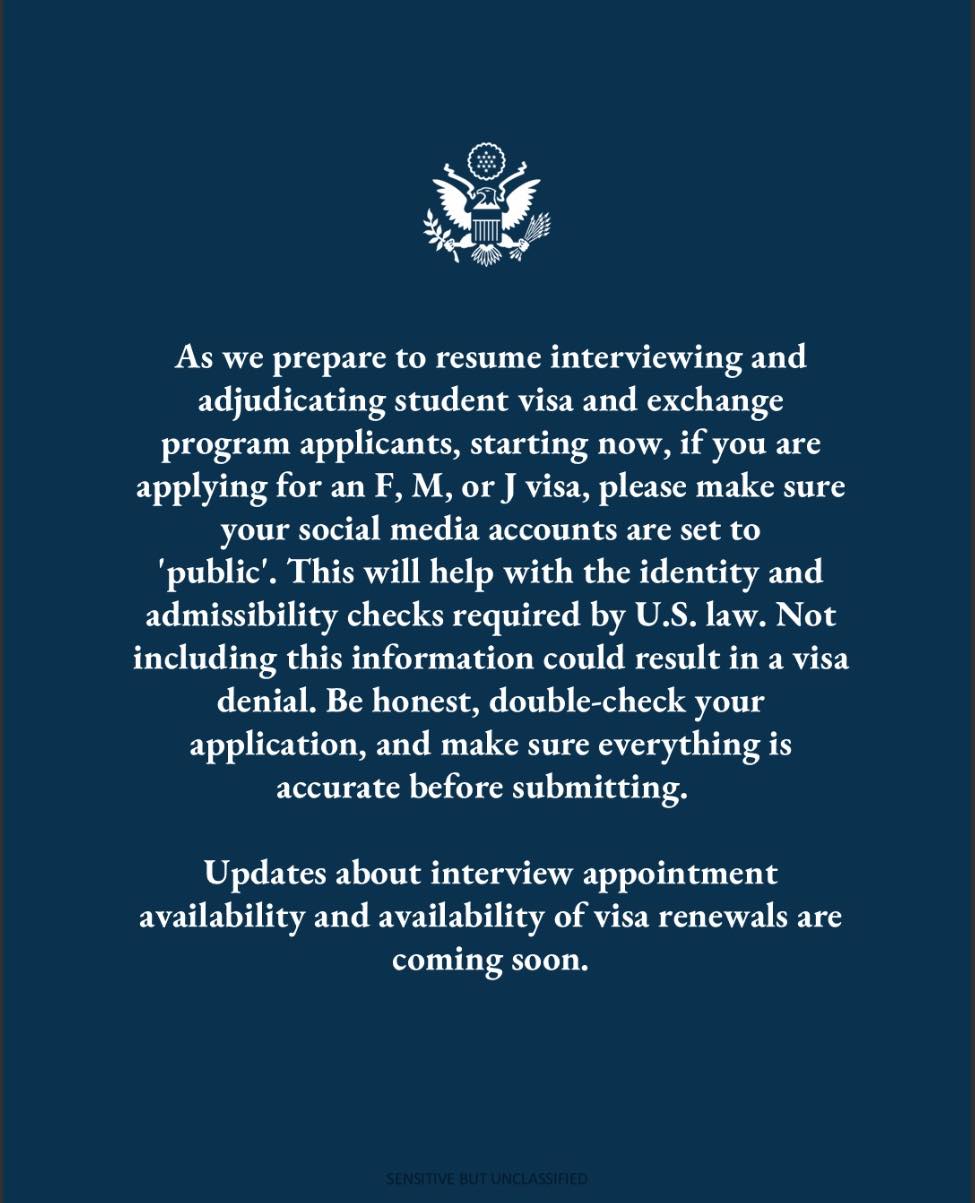
Important Announcement Regarding U.S. Student & Exchange Visitor Visa Interviews
Hot News: U.S. Student Visa Interview Scheduling is OPEN AGAIN!
Study Tech in the USA: Your Gateway to a Global Career
Discover the Meaning of the U.S. Flag: A Symbol of Freedom and Patriotism
Ready to start your journey?
Leave your details — our team will tailor a free plan for you.
Get free consultation