
The Evolution of U.S. Political Parties
The landscape of U.S. Political Parties has undergone a remarkable transformation since the inception of the United States. From the early days of the republic, political factions have emerged and evolved based on a myriad of factors including social changes, economic developments, and shifts in public opinion.
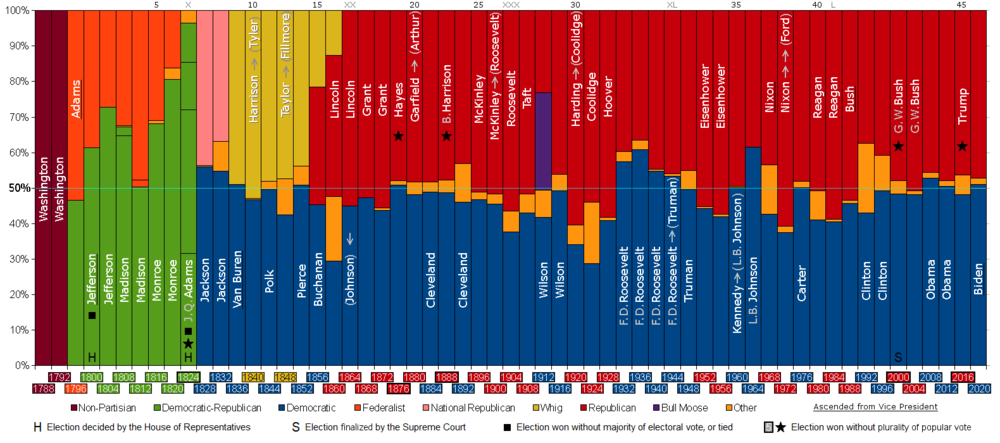
Political parties continue to shape the nation’s governance, public policy, and civic engagement.
U.S. political parties have changed in response to social, economic, technological, and demographic shifts.
The Republican and Democratic parties remain the dominant forces in American political life.
Third parties, polarization, and changing voter expectations continue to challenge the status quo.
Introduction
The landscape of U.S. Political Parties has undergone a remarkable transformation since the inception of the United States. From the early days of the republic, political factions have emerged and evolved based on a myriad of factors including social changes, economic developments, and shifts in public opinion. As we delve into the evolution of U.S. political parties, it becomes evident how these entities continue to shape the nation’s governance, public policy, and civic engagement.
The Two-Party System: Strengths and Weaknesses
The two-party system is often seen as a defining characteristic of American politics. With two dominant parties, the Republican and Democratic parties, the political landscape tends to be polarized, which can yield both benefits and drawbacks.
Political StabilityOne significant strength of the two-party system is political stability. By having two primary parties, voters are generally presented with clear choices that simplify the electoral process. This polarization can lead to more definitive policy outcomes and government actions, as parties work to solidify their base and differentiate themselves from their opponents.
Moreover, majoritarian rule often ensures that elected officials represent a majority of the electorate, thereby enhancing the legitimacy of the governing bodies. In contrast to multi-party systems where coalition governments can lead to instability and inefficiency, the two-party system fosters a straightforward approach to governance, allowing for efficient decision-making.
Voter ApathyOn the other hand, the two-party system can instigate voter apathy. When individuals feel that their beliefs do not align perfectly with either party, they may become disillusioned and disengaged from the political process. This phenomenon is particularly evident among younger voters and marginalized communities who often find their interests sidelined in a binary political environment. Consequently, many eligible voters may choose not to participate in elections, which can contribute to lower voter turnout and a disconnect between the populace and their representatives.
Limited ChoicesAdditionally, the dominance of two parties restricts political diversity. New ideas and movements often struggle to gain traction within this framework, leading to what some critics describe as a “political duopoly.” This limitation can stifle innovation in policymaking and discourage political engagement from those who feel underrepresented.
As society continues to evolve, there is growing demand for alternative platforms that address contemporary issues not fully encapsulated by the traditional Republican and Democratic narratives. However, the hurdles faced by third-party candidates and movements demonstrate the profound grip that the two-party system holds over U.S. political life.
The Republican Party: Platform and History
The Republican Party was founded in the mid-19th century and has played a significant role in shaping U.S. politics. Understanding its platform and historical context provides insight into its influence and evolution over time.
Historical ContextEmerging from the anti-slavery movement, the Republican Party positioned itself as a champion of liberty and free labor. Its founding was a response to the divisive issue of slavery, and the party’s early leaders included prominent figures like Abraham Lincoln. Over time, the Republican Party underwent several ideological shifts, moving from its progressive roots towards conservatism by the 20th century.
Platform EvolutionToday, the Republican Party emphasizes limited government, individual liberties, and free-market principles. Its platform includes strong support for tax cuts, deregulation, and a robust national defense. Additionally, social conservatism plays a crucial role in the party’s identity, as issues such as abortion and same-sex marriage often mobilize its base.
In recent years, the Republicans have also engaged in populist rhetoric, appealing to working-class voters disillusioned by globalization and economic inequality. This shift has marked a departure from traditional conservative values, suggesting a redefinition of what it means to be a Republican in the modern political landscape.
Challenges and Internal DivisionsHowever, the party faces its own set of challenges. Internal divisions between establishment Republicans and populist factions have created a complex dynamic that complicates party unity. High-profile figures like Donald Trump have significantly altered the party’s direction, leading to ideological rifts that continue to shape its future.
As the Republican Party grapples with these challenges, the balance between maintaining a coherent platform while addressing the diverse interests of its constituents remains an ongoing struggle.
The Democratic Party: Platform and History
The Democratic Party, one of the oldest active political organizations in the world, has seen significant transformations throughout its history. Its evolution reflects broader societal changes and shifts in public opinion on various issues.
Founding PrinciplesOriginally established as the Democratic-Republican Party in the early 19th century, the Democratic Party has always sought to amplify the voice of the common citizen. Initially aligned with agrarian interests, the party’s foundation was rooted in opposition to elitism and a belief in a decentralized government.
Shifting IdeologyOver time, particularly during the New Deal era under Franklin D. Roosevelt, the Democratic Party embraced a more interventionist approach to governance. Today, its platform includes advocacy for social justice, healthcare reform, environmental protection, and economic equality. The party’s commitment to civil rights, especially during the Civil Rights Movement of the 1960s, further solidified its position as the champion of marginalized groups in American society.
Current ChallengesDespite its successes, the Democratic Party also faces significant challenges, including factionalism between moderate and progressive wings. Figures such as Bernie Sanders and Elizabeth Warren advocate for policies like Medicare for All and the Green New Deal, which resonate with a younger, more progressive base. However, these proposals often clash with centrist Democrats who prefer more incremental approaches to reform.
This internal conflict poses a risk to party cohesion, as differing priorities may hinder unified action. The outcome of primary elections has increasingly reflected tensions within the party, raising questions about its ability to present a coherent platform that can galvanize widespread support.
Engagement with DiversityMoreover, the Democratic Party has made strides in engaging with diverse populations, recognizing that the future of American democracy rests upon inclusivity and representation. By prioritizing issues affecting women, people of color, and the LGBTQ+ community, the party seeks to broaden its appeal and address systemic inequalities at the heart of American society.
As the political landscape evolves, the Democratic Party must navigate these complexities while remaining committed to its foundational principles and adapting to the needs of an increasingly diverse electorate.
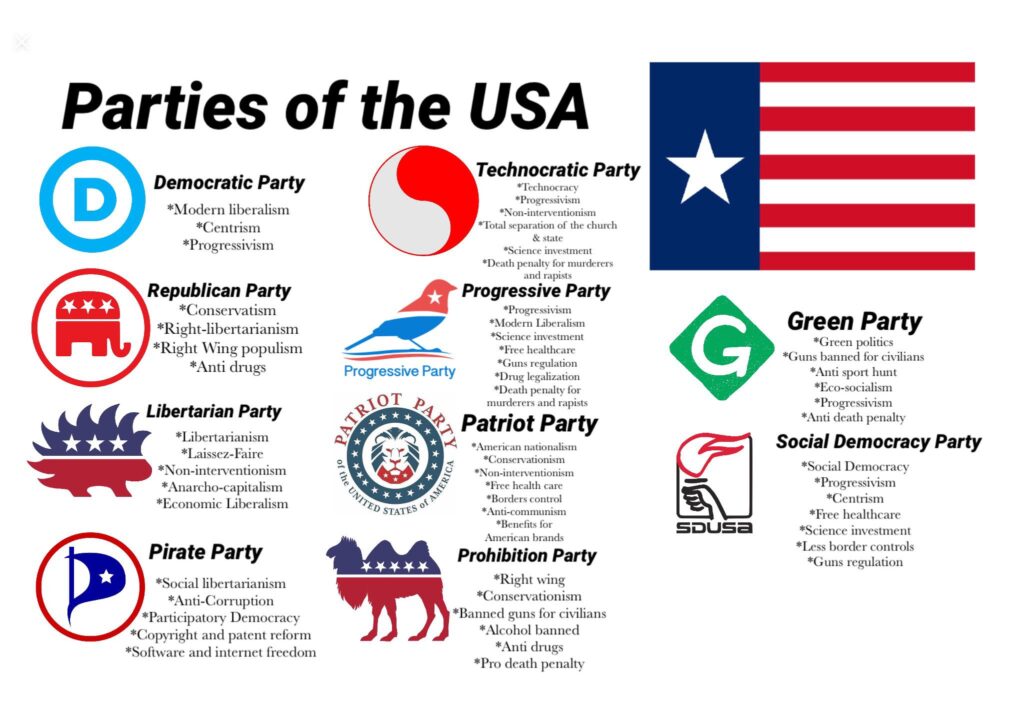
Third-Party Influence in US Politics
While the two-party system dominates American politics, third parties have historically played a unique role in influencing public policy and shaping party dynamics. Though they rarely win major elections, their presence can catalyze significant change.
Historical ContributionsThird parties often emerge in response to unmet needs or societal concerns overlooked by the dominant parties. For instance, the Progressive Party of the early 20th century advocated for reforms such as women’s suffrage and labor rights, influencing mainstream politics even if they did not win seats in Congress.
In recent decades, the emergence of the Green Party and Libertarian Party highlights the evolving political landscape. These parties have brought climate change and civil liberties to the forefront of political discourse, urging major parties to address such pressing issues.
Spoiler EffectHowever, third-party candidates often face criticism for serving as “spoilers” in elections. This concept refers to instances when a third-party candidate siphons votes away from major parties, potentially altering the outcome of close races. Critics argue that this undermines the principle of majority rule and leads to unintended consequences.
Yet, proponents of third parties assert that they provide voters with alternatives, encouraging greater participation and engagement in the democratic process. By offering distinct platforms, third parties challenge the status quo and push mainstream parties to consider new perspectives.
Modern AdvocacyToday, grassroots movements and social media have amplified the voices of third parties and independent candidates. With increased access to platforms for communication and organization, these movements can raise awareness and mobilize supporters around specific issues.
The rise of digital communication allows third-party candidates to build coalitions and engage with constituencies that align with their values, further challenging the limitations imposed by the two-party system.
The Role of Political Parties in Elections
Political parties play a crucial role in the electoral process, facilitating candidate selection, mobilizing voters, and framing political debates. Their influence extends beyond mere endorsement of candidates; it encompasses shaping the overall trajectory of elections.
Candidate Recruitment and SupportOne of the primary functions of political parties is candidate recruitment. By identifying and supporting individuals who align with their platform and values, parties can ensure a steady flow of prospective leaders. This recruitment process often involves mentoring potential candidates, providing resources, and mobilizing volunteers for campaign efforts.
Parties also engage in extensive fundraising efforts to support their candidates. Through coordinated campaigns, parties can pool resources and maximize their impact, providing candidates with the financial backing necessary to mount competitive bids for office.
Mobilization of VotersFurthermore, political parties are instrumental in mobilizing voters to participate in elections. Through grassroots campaigns, door-to-door canvassing, and targeted outreach initiatives, parties engage with constituents and encourage them to exercise their voting rights. This mobilization effort is particularly vital during critical moments, such as midterm elections and presidential races.
Political parties also work to connect with specific demographics, tailoring their messaging to resonate with different groups. This targeted approach helps to increase voter turnout and foster a sense of collective identity among supporters.
Framing Political NarrativesAdditionally, parties play a key role in shaping the narratives surrounding elections. Through the strategic use of media, messaging, and public appearances, they define the context in which candidates operate. This control over narrative can significantly influence voter perception and behavior, underscoring the power of political parties in shaping democratic dialogue.
However, as information sources diversify, the effectiveness of traditional party narratives is challenged. The rise of social media and alternative news sources has led to fragmented information landscapes, prompting parties to adapt their strategies to maintain relevance and credibility.
Party Polarization and its Effects on Governance
Party polarization has become a prominent feature of contemporary American politics, profoundly impacting governance and citizen engagement. The growing divide between the Republican and Democratic parties presents both challenges and opportunities for the democratic process.
Understanding PolarizationAt its core, polarization refers to the increasing ideological distance between political parties, resulting in heightened partisanship and reduced cooperation. Factors contributing to this trend include partisan media, gerrymandering, and social sorting, which creates echo chambers where individuals engage primarily with like-minded viewpoints.
As a result, political discourse has shifted from constructive debate to entrenched positions, making compromise increasingly rare. This polarization affects not only elected officials but also voters, who may become more entrenched in their beliefs and less willing to engage with opposing perspectives.
Impacts on LegislationThe effects of polarization are most evident in legislative processes. As party allegiance takes precedence over bipartisanship, meaningful dialogue becomes scarce, leading to gridlock in Congress. Critical issues-such as healthcare reform, immigration policy, and climate change-often languish due to partisan stalemates, leaving pressing problems unaddressed.
Moreover, extremist views within each party can drive candidates to adopt more radical positions, distancing them from moderate constituents. This creates a cycle that further entrenches division and diminishes the likelihood of collaboration on vital legislation.
Consequences for Voter EngagementParty polarization also influences voter engagement. Individuals may become disillusioned with the political process, feeling that their preferences are not represented within a hyper-partisan environment. This disconnection can lead to decreased turnout, particularly among independent voters who may feel alienated from both major parties.
Conversely, polarization can galvanize passionate supporters who may rally around specific issues, creating a highly motivated electorate. However, this enthusiasm can come at the cost of civility and constructive dialogue, as citizens become increasingly polarized in their identities.
The Impact of Political Parties on Public Policy
Political parties serve as vital instruments of shaping public policy, establishing frameworks within which laws and regulations are debated and enacted. Their influence extends across various domains, reflecting the ideological leanings and priorities of party members.
Agenda SettingOne of the most significant ways in which political parties impact public policy is through agenda-setting. By prioritizing specific issues, parties determine which topics dominate public discourse and attract attention from policymakers. This focus can direct resources and legislative energy toward certain areas, influencing the trajectory of policy development.
For example, the Republican Party has placed substantial emphasis on tax reform and deregulation, seeking to create an environment conducive to business growth. Conversely, the Democratic Party has prioritized healthcare access and environmental protections, advocating for policies aimed at promoting equity and sustainability.
Coalition BuildingPolitical parties are also adept at building coalitions to advance their policy agendas. By uniting individuals with shared interests, parties can amplify their influence and mobilize support for specific initiatives. This coalition-building extends beyond party lines, as lawmakers may collaborate with interest groups, advocacy organizations, and grassroots movements to effect change.
However, coalition-building can also present challenges, particularly when internal divisions arise. Disagreements among party members may hinder efforts to achieve consensus, leading to fragmentation and stalled progress on key issues.
Implementation and OversightOnce policies are enacted, political parties play a crucial role in implementation and oversight. Elected officials bear the responsibility of translating partisan platforms into actionable legislation, ensuring compliance with established guidelines. The effectiveness of these efforts often hinges on the quality of coordination and communication within party structures.
Additionally, parties engage in oversight to hold the executive branch accountable for policy implementation. This accountability is essential in maintaining the integrity of democratic governance and ensuring that policies align with the values and expectations of constituents.
Funding and Campaign Strategies of US Political Parties
The funding and campaign strategies employed by political parties significantly influence their ability to compete in elections and shape the political landscape. Understanding these dynamics sheds light on the modern electoral process.
Fundraising MechanismsPolitical parties rely on various fundraising mechanisms to support their operations and candidates. Traditional sources of funding include contributions from individuals, interest groups, and Political Action Committees (PACs). These contributions enable parties to finance campaign activities, advertising, staffing, and outreach efforts.
In recent years, the rise of online fundraising has transformed the landscape, allowing candidates to reach wider audiences and engage supporters directly. Platforms like ActBlue and WinRed facilitate small-dollar donations, empowering grassroots movements and enabling candidates to amass substantial war chests without relying solely on large donors.
Campaign Strategy DevelopmentDeveloping effective campaign strategies is essential for political parties seeking to connect with voters. This process involves identifying target demographics, crafting compelling messages, and utilizing various media channels to disseminate information. Modern campaigns leverage data analytics to identify voter preferences and tailor messaging accordingly, maximizing their chances of success.
Social media has become a pivotal tool in campaign strategies, allowing parties to engage with voters in real-time and respond to emerging issues swiftly. However, the rapid dissemination of information also poses risks, as misinformation can spread easily and undermine public trust in the electoral process.
Coordinating EffortsMoreover, political parties coordinate efforts among candidates running for various offices to foster a cohesive strategy. This synchronization ensures that messaging aligns across campaigns, amplifying the party’s overall brand and enhancing visibility among voters.
Effective coordination can enhance voter turnout, as party loyalists may be motivated to vote for multiple candidates representing their party on the ballot. Conversely, disjointed campaigns may dilute impact, emphasizing the importance of unity in achieving electoral goals.
The Future of US Political Parties
As American society continues to evolve, the future of U.S. Political Parties is fraught with both challenges and opportunities. Shifts in demographics, technology, and cultural values will undoubtedly reshape the political landscape.
Demographic ChangesDemographic shifts, particularly among younger generations, pose a significant challenge to traditional party structures. Millennials and Generation Z are increasingly diverse, progressive, and concerned about issues such as climate change, income inequality, and social justice. Their engagement with politics reflects a desire for authenticity and transparency, prompting parties to adapt their platforms and outreach strategies.
As these younger voters come of age and assume leadership roles, their values and priorities will likely influence party ideologies. Both major parties may need to reevaluate their positions to appeal to this changing electorate, fostering a climate of inclusivity and responsiveness.
Technological InnovationsTechnology will continue to play a pivotal role in shaping the future of political parties. Advancements in data analytics and communication tools empower parties to engage with voters more effectively and tailor messages to specific demographics. However, the prevalence of misinformation and the challenge of regulating digital platforms present ongoing obstacles.
Parties must embrace innovation while also safeguarding the integrity of democratic processes. As technology evolves, so too must the strategies employed by political parties to enhance transparency, accountability, and trust among constituents.
Emergence of New MovementsThe emergence of new political movements-both within and outside of the established parties-highlights the dynamic nature of American politics. Grassroots activism, fueled by social media, has empowered citizens to advocate for change and challenge the status quo. As these movements gain traction, they may force traditional parties to confront uncomfortable truths and reimagine their roles in the political arena.
Failing to adapt may result in diminished relevance, as voters seek out alternatives that reflect their values and aspirations. The fate of U.S. political parties will hinge on their ability to listen to constituents, embrace change, and remain attuned to the evolving needs of society.
Conclusion
The evolution of U.S. political parties serves as a testament to the dynamism of American democracy. From their historical roots to contemporary challenges, political parties have consistently shaped the nation’s governance, public policy, and civic engagement. The strengths and weaknesses of the two-party system highlight the complexities of representation, while the influence of third parties underscores the potential for diverse perspectives.
As the political landscape continues to change, the future of U.S. political parties hinges on their ability to adapt to shifting demographics, technological advancements, and the demands of an increasingly engaged electorate. By embracing inclusivity, fostering dialogue, and addressing pressing societal issues, political parties can continue to play a pivotal role in shaping the fabric of American democracy.
Planning to study in the U.S.?
VNIS Education helps students and families understand U.S. education options, admission pathways, application requirements, scholarships and student life in the United States.
Frequently asked questions about U.S. political parties
What is the two-party system in U.S. politics?
The two-party system refers to the dominance of two major parties, the Republican Party and the Democratic Party, in American elections and political life.
What are the main strengths of the U.S. two-party system?
The article highlights political stability, clearer voter choices, and more straightforward governance as major strengths of the two-party system.
What are the weaknesses of the two-party system?
Weaknesses include voter apathy, limited political choice, restricted political diversity, and barriers for third-party candidates and movements.
How have third parties influenced U.S. politics?
Third parties have influenced public debate by introducing issues such as women’s suffrage, labor rights, climate change, and civil liberties into mainstream politics.
How do political parties affect public policy?
Political parties shape public policy through agenda setting, coalition building, legislation, implementation and oversight.
What factors may shape the future of U.S. political parties?
Demographic changes, technological innovation, social media, misinformation, grassroots activism, and new political movements are likely to influence the future of U.S. parties.
Related articles

Unlock Global Career Opportunities with a STEM Business Master’s at UConn!
U.S. Student Visa Delays: Short-Term Hurdles, Long-Term Dreams!

International Students in the U.S.: What You Need to Know About Risks, Rights, and Resources

Study in the USA: Which City Will Ignite Your Future? New York, Los Angeles, Boston, or Phoenix?

Why Choose Arkansas State University for Your Study Abroad Experience?